Travel styles this destination suits
- Classic first safari across two or three complementary ecosystems
- Conservancy-led travel with lower vehicle density, walking and night drives where permitted
- Family travel with private vehicles, shorter driving legs and flexible mealtimes
- Photography and birding trips built around the Rift Valley lakes and open plains
Signature regions and experiences
- Maasai Mara and adjoining conservancies
- Open savanna with strong year-round resident wildlife; conservancies typically allow more flexible activities.
- Amboseli
- Swamp-fed grazing and long-standing elephant research, with mountain views on clear mornings.
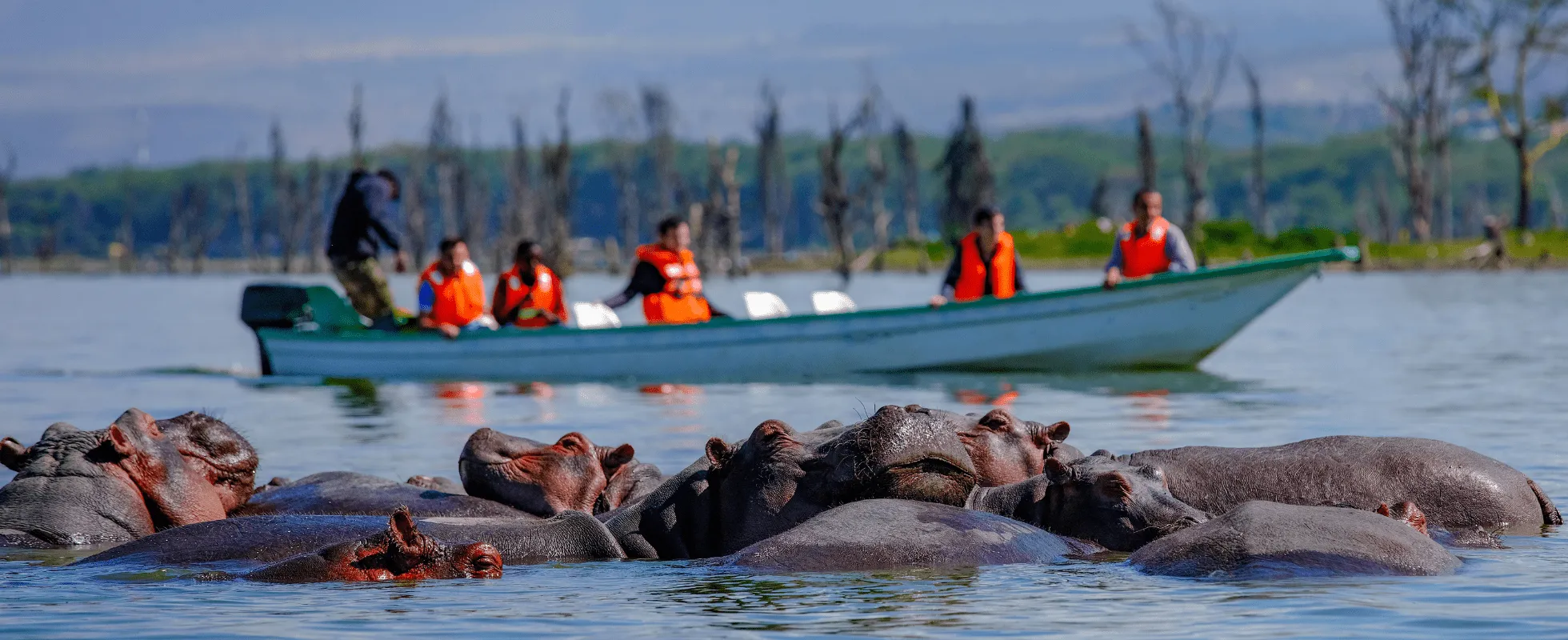
- Lake Naivasha and Lake Nakuru
- Freshwater and alkaline Rift Valley lakes, boat activity, walking areas and prolific birdlife.
- Laikipia
- Private ranchland and conservancies with strong conservation programmes and varied activities.
- Samburu
- Drier northern country with species you will not see further south.
- Diani and the Kenyan coast
- A slower coastal finish for travellers who want beach time after the plains.
Thinking about season
- The drier months around late June to October are widely associated with easier game viewing and firmer tracks.
- Herd movement between the Mara and Serengeti ecosystems is weather-driven; no operator can promise a crossing on a given date.
- The long rains generally fall around March to May, and shorter rains around November, often with fewer vehicles and lower rates.
- January and February are frequently warm, clear and settled — a useful window for families travelling in the northern winter.
Entry documents
Kenya operates an online travel-authorisation system for most visitors, and your passport should have comfortable remaining validity and blank pages. Yellow-fever documentation may be requested depending on your routing.
Requirements change. Always verify current entry, health and fee information with official government and travel-health sources before you book or travel.
Health preparation
Discuss vaccinations, malaria prevention and altitude with a qualified travel-health professional several weeks before departure. Guidance differs by region, season and personal history, so it should come from a clinician rather than from us.
Berngo Safaris provides general planning context only and does not give medical advice.
Official sources for Kenya
Each link is owned by the authority named beside it and opens in a new tab.
- Kenya Directorate of Immigration Services — electronic travel authorisationVisa and entry information (opens in a new tab)
- U.S. Centers for Disease Control and PreventionCDC Traveler View — Kenya (opens in a new tab)
- U.S. Department of StateCountry information — Kenya (opens in a new tab)
Last link review: August 7, 2026. Requirements depend on nationality, routing and current policy. Verify directly with the issuing authority before booking or travel. Berngo Safaris provides planning links, not legal, immigration or medical advice.
Avoid unofficial visa agents. Beware of unofficial visa agents and copycat visa websites. Several look almost identical to government portals and charge inflated fees. Apply only through the official government domains linked here, and never share passport or payment details with a site you reached through an advertisement.
See all official travel resourcesClimate and packing
- Nairobi and the highlands sit at altitude and are cooler than most visitors expect.
- Dawn game drives are cold; midday on the plains is hot and exposed.
- The coast is humid and warm year-round, which changes what you pack for the final nights.
What to pack for
- Neutral layers plus a warm top for early starts on open-sided vehicles
- Soft duffel if light aircraft are part of the routing; wheeled hard cases rarely fit
- Binoculars, sun protection, a hat with a brim, and insect repellent
- Modest options for town, community visits and coastal towns
Arrival and getting around
- Most journeys begin at Nairobi's Jomo Kenyatta International (NBO); Wilson Airport handles most safari light aircraft.
- Short scheduled flights to Mara, Amboseli or Samburu airstrips replace long road transfers on most itineraries.
- Road journeys through the Rift Valley are scenic but slow; we plan them deliberately rather than by default.
Cultural respect and responsible travel
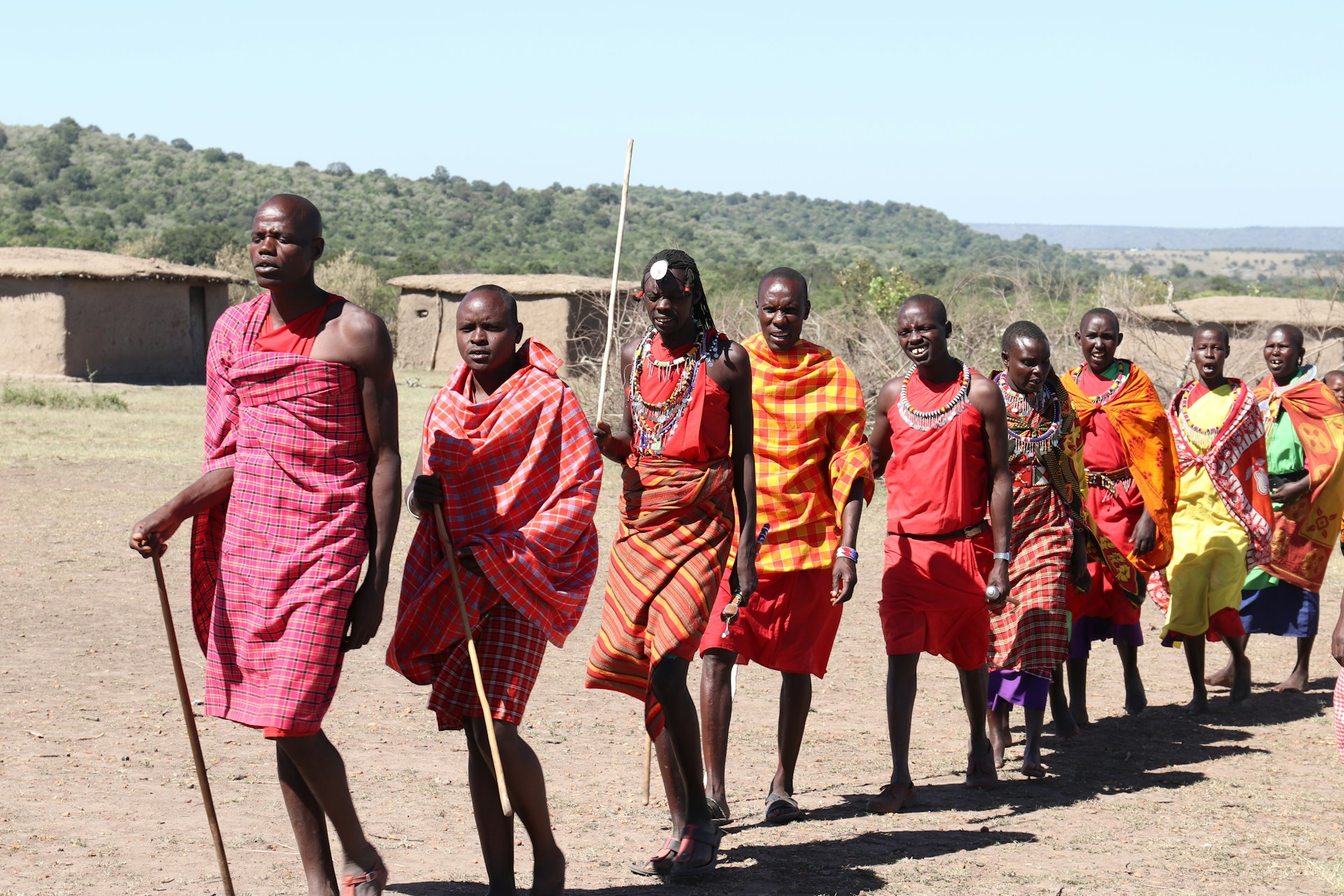
- Community-owned conservancies are central to Kenyan conservation — ask how your stay contributes.
- Seek permission before photographing people, and expect a fair arrangement for organised cultural visits.
- Follow guide instruction on distance, off-road driving and quiet observation around predators.
Kenya in photographs
Photographs provided by Berngo Safaris, captioned with their real locations.
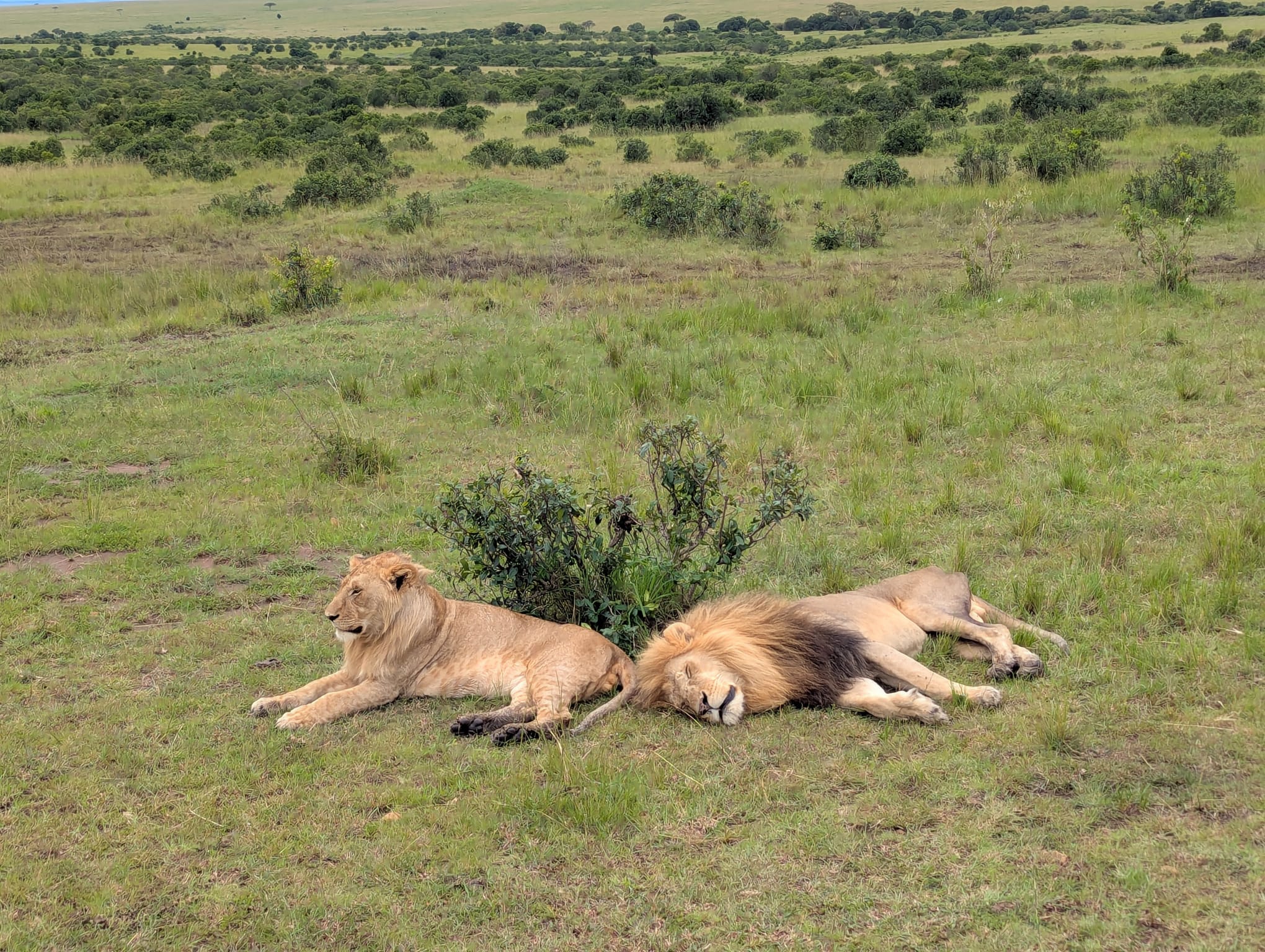
Maasai Mara, Kenya. Photograph provided by Berngo Safaris. 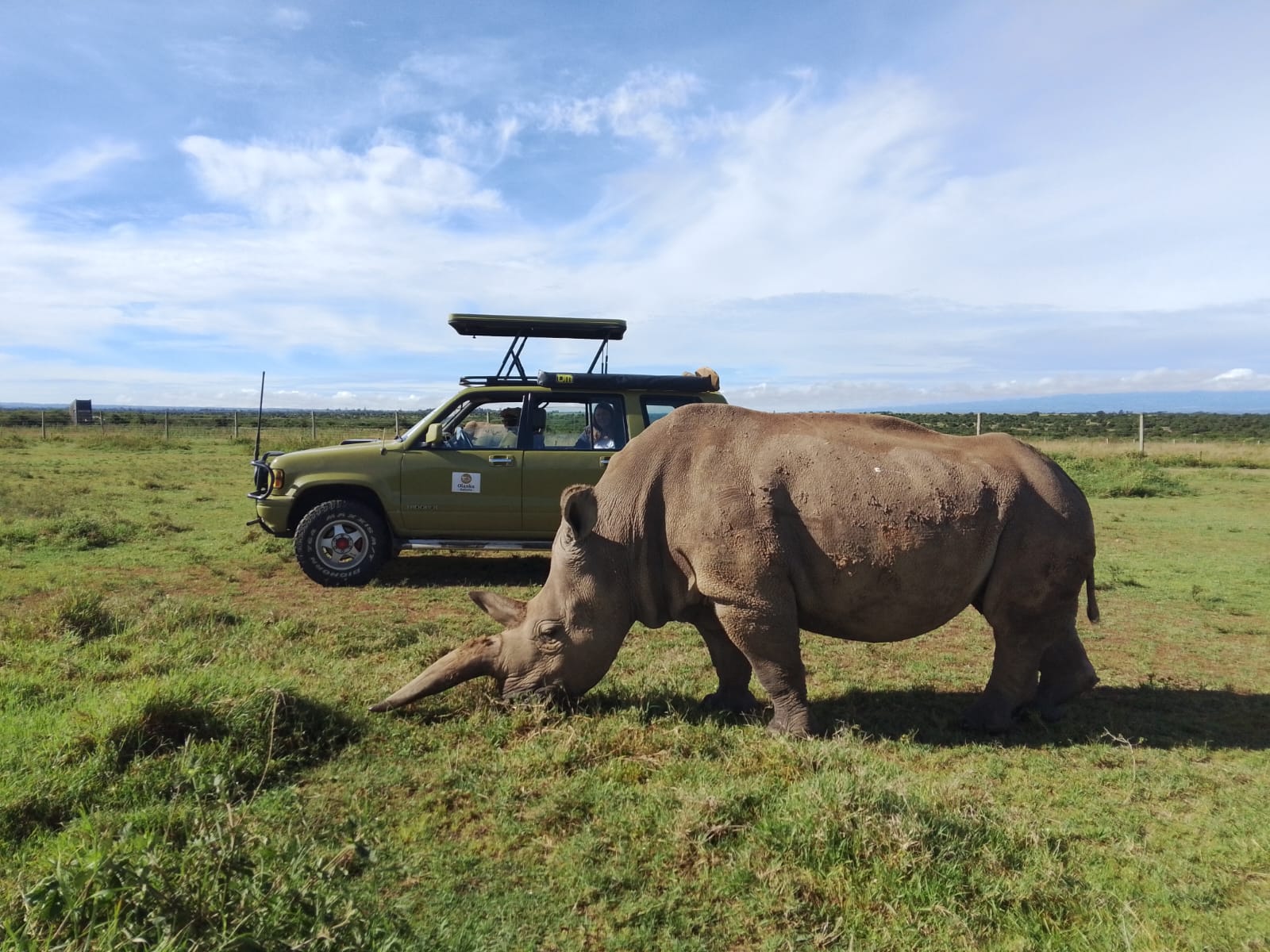
Ol Pejeta Conservancy, Laikipia, Kenya. Photograph provided by Berngo Safaris. 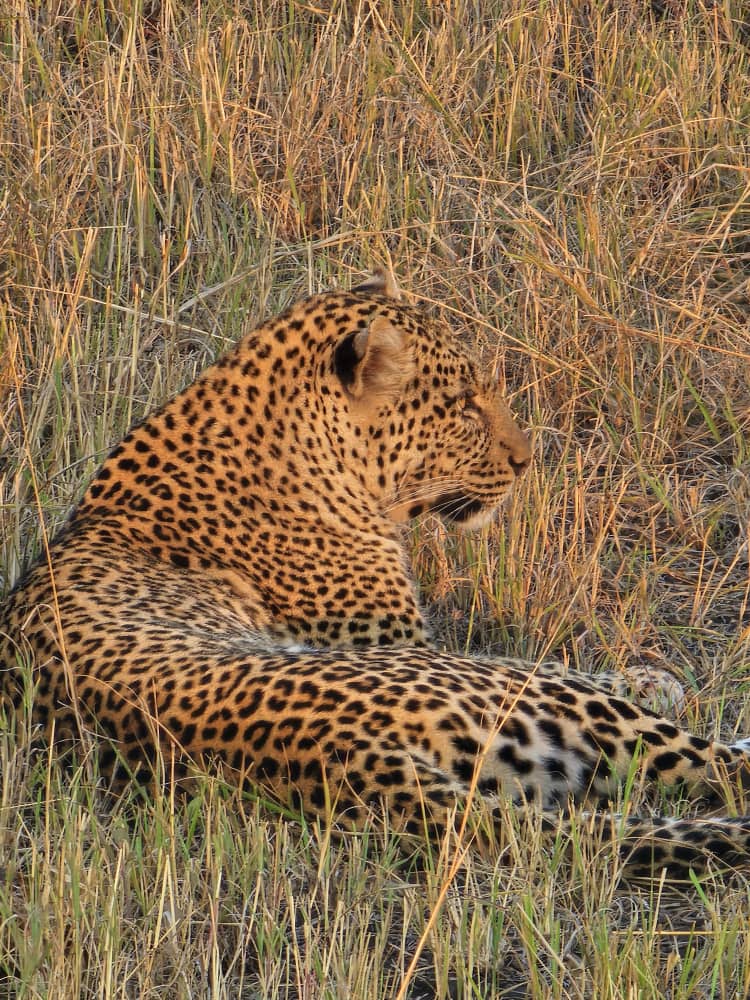
Leopard resting, Kenya. Photograph provided by Berngo Safaris. 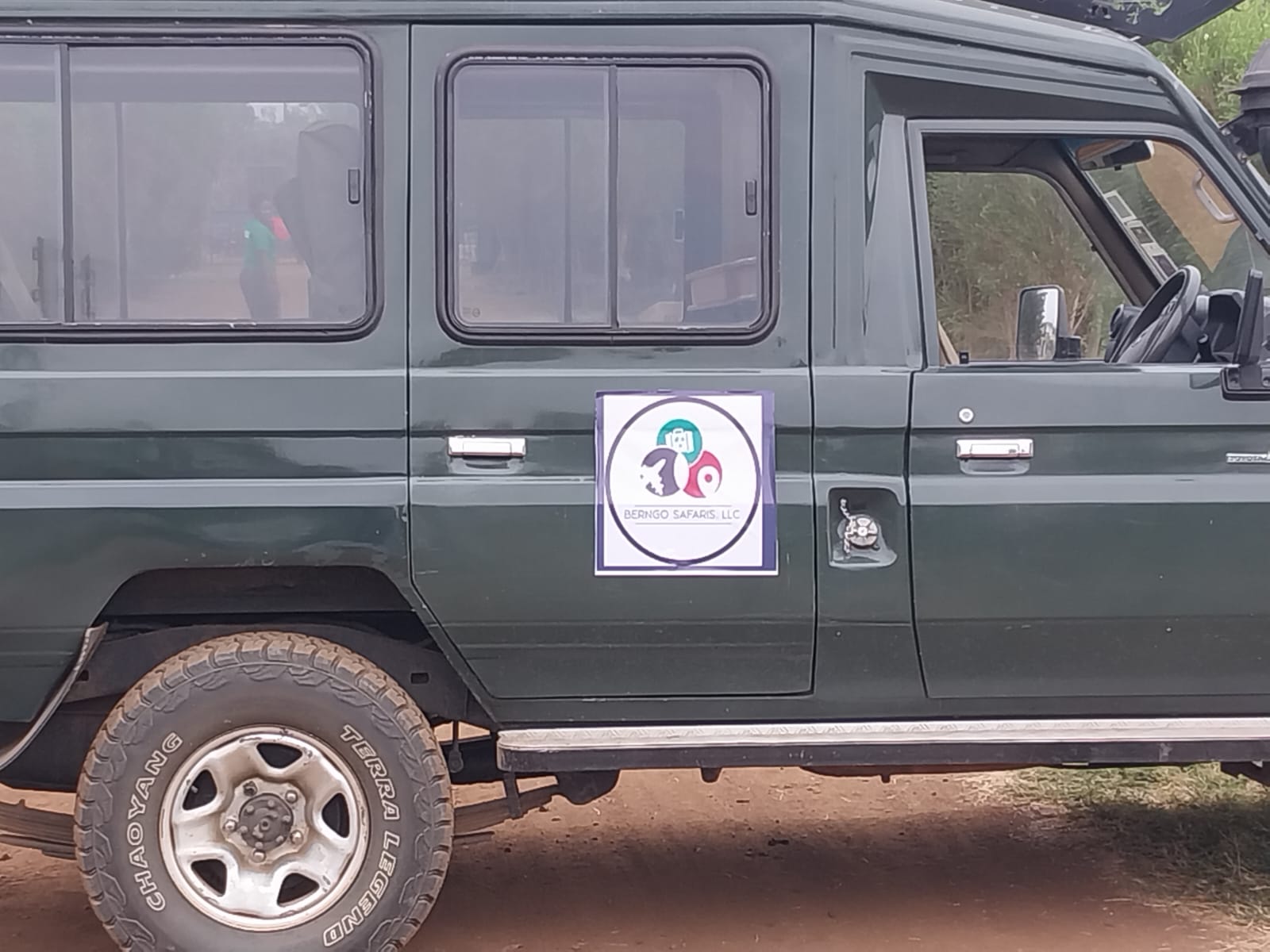
A Berngo Safaris-branded partner vehicle in Kenya — operated by a local partner, not owned by Berngo Safaris.
Family, accessibility and mobility questions to raise
Bring these to your planning conversation — they change the itinerary more than most travellers expect.
- Do any travellers need shorter flights, aisle transfers or assistance boarding light aircraft?
- Are family units, interconnecting rooms or child age minimums relevant to your group?
- Would a private vehicle make the daily rhythm easier for children or older travellers?
- What mobility, dietary or medical details should camps receive in advance?
Kenya planning questions
- Do I need an eTA for Kenya?
- Kenya operates an electronic travel authorisation system. Requirements depend on nationality and routing — verify on the official portal before booking.
- Is Kenya good for families?
- Often yes. Shorter drives between Amboseli, Naivasha and the Mara, and conservancies with family activities, make it workable for mixed ages.
- Can I combine Kenya and Tanzania?
- Yes, and many travellers do. Border crossings and internal flights need planning time, so build the route early.
Next step
Plan your Kenya journey
Share your dates, travellers and interests, and a Berngo planner will build a customized route around them.