Who we are
Berngo Safaris is a U.S.-registered safari specialist with operational roots in Africa. Every journey is custom-designed around the people travelling — not packaged and resold.
This guide is educational. It gives you the questions worth asking and the order to ask them in — then points you to official sources for anything that can change.
- 01Choose your destination
- 02Choose your travel season
- 03Establish a realistic budget
- 04Select trip style and accommodations
- 05Confirm passports, entry and health needs
- 06Request a customized itinerary
- 07Review and approve the plan
- 08Booking, payment and insurance
- 09Packing and pre-departure
- 10Travel and in-destination support
- 11Coming home, and what comes next
Prepare by destination
Eleven destinations, prepared for equally
Eleven African destinations, each with their own regions, seasons, documents and practicalities. Open the country you are considering for the detail.
Southern Africa
North Africa
Choose your destination
Start with the kind of experience you want rather than a park name. Tanzania, Kenya, Uganda, Botswana, Namibia, Zambia, Zimbabwe, Malawi, Mozambique, South Africa and Egypt each answer a different question, and one of them will fit your travellers better than the others.
- Tanzania suits travellers drawn to vast plains, the Ngorongoro caldera and an easy coastal finish.
- Kenya suits those who want Rift Valley variety, conservancy-led wildlife time and short internal flights.
- South Africa suits travellers wanting safari alongside a city, coastline and winelands in one country.
- Egypt suits a cultural, river-paced journey through Cairo, Luxor and Aswan.
Illustrative, not a real client: a couple with twelve nights and a first safari in mind might weigh Kenya's short flights against Tanzania's longer drives, and choose based on how much time they want in the air.
Choose your travel season
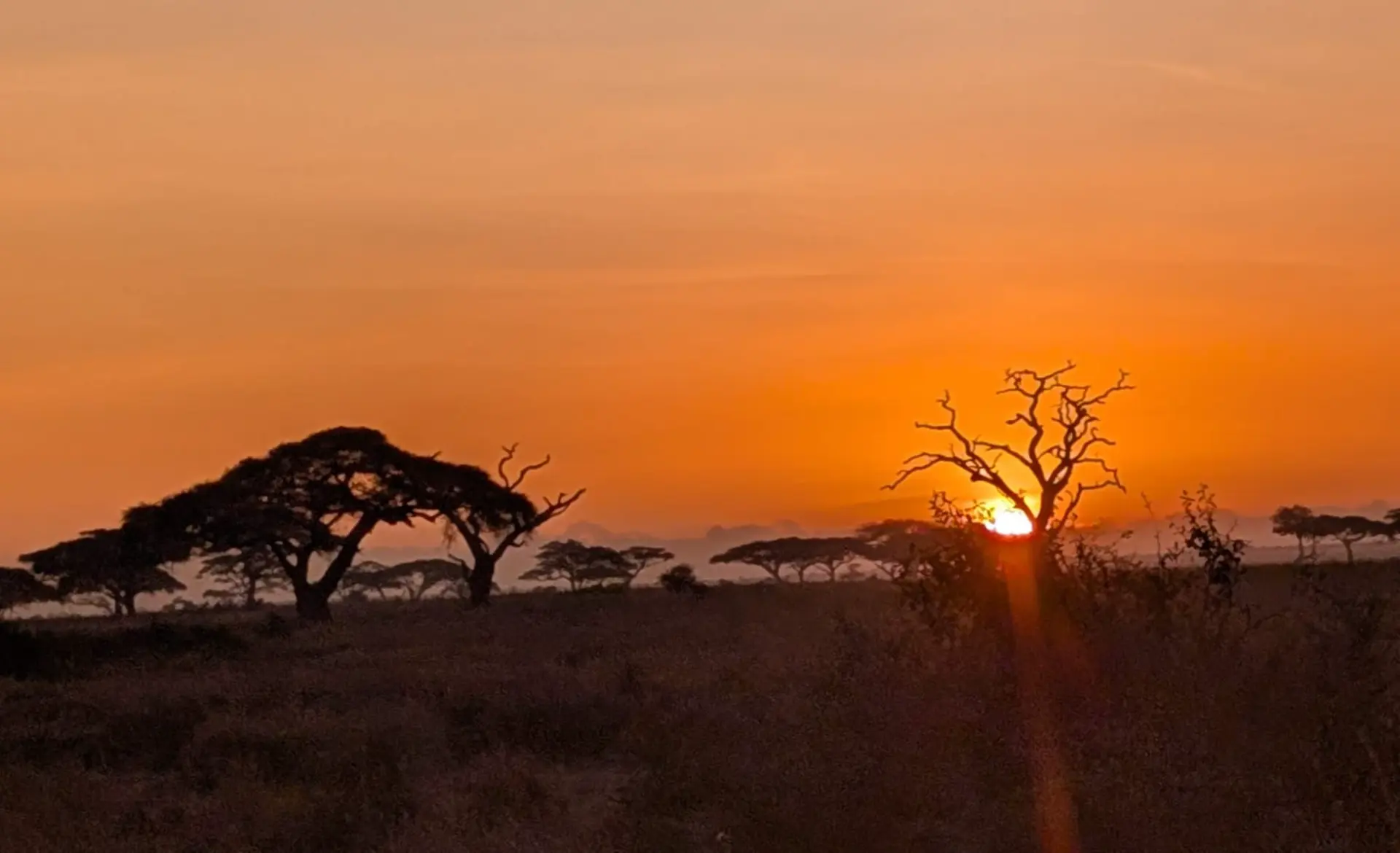
Season shapes what you see more than the reserve does. Every destination has drier and wetter stretches, and each brings a different kind of trip rather than a better one.
- Drier months generally mean thinner vegetation, firmer roads and higher demand for the best camps.
- Green or shoulder months often bring newborn wildlife, birdlife, dramatic skies and quieter camps.
- Wildlife movement follows weather, not a calendar — treat month-by-month guidance as a planning aid.
- School holidays, local festivals and camp closures all affect availability long before you book.
Illustrative: two travellers set on green-season photography might accept occasional heavy rain in exchange for softer light and far fewer vehicles.
Establish a realistic budget
Safari costs are usually quoted per person, per night, and typically include accommodation, meals, guided activities and often park or conservation fees. International flights, some internal flights, insurance and tips sit outside that figure.
- Comfortable / mid-range: well-run lodges and tented camps, usually shared game-drive vehicles.
- Premium: smaller camps, fewer guests per vehicle, private conservancies and more flexible activity rules.
- Luxury or exclusive-use: private guide and vehicle, small footprint, sole-use options.
- Always budget separately for international flights, internal flights, travel insurance, visas and tipping.
Rather than publish fixed rates, we cost your actual route at the time of quoting — seasonality moves camp pricing significantly through the year.
Select trip style and accommodations
Where you sleep sets the rhythm of the trip. None of these styles is a rung on a ladder; they simply suit different travellers.
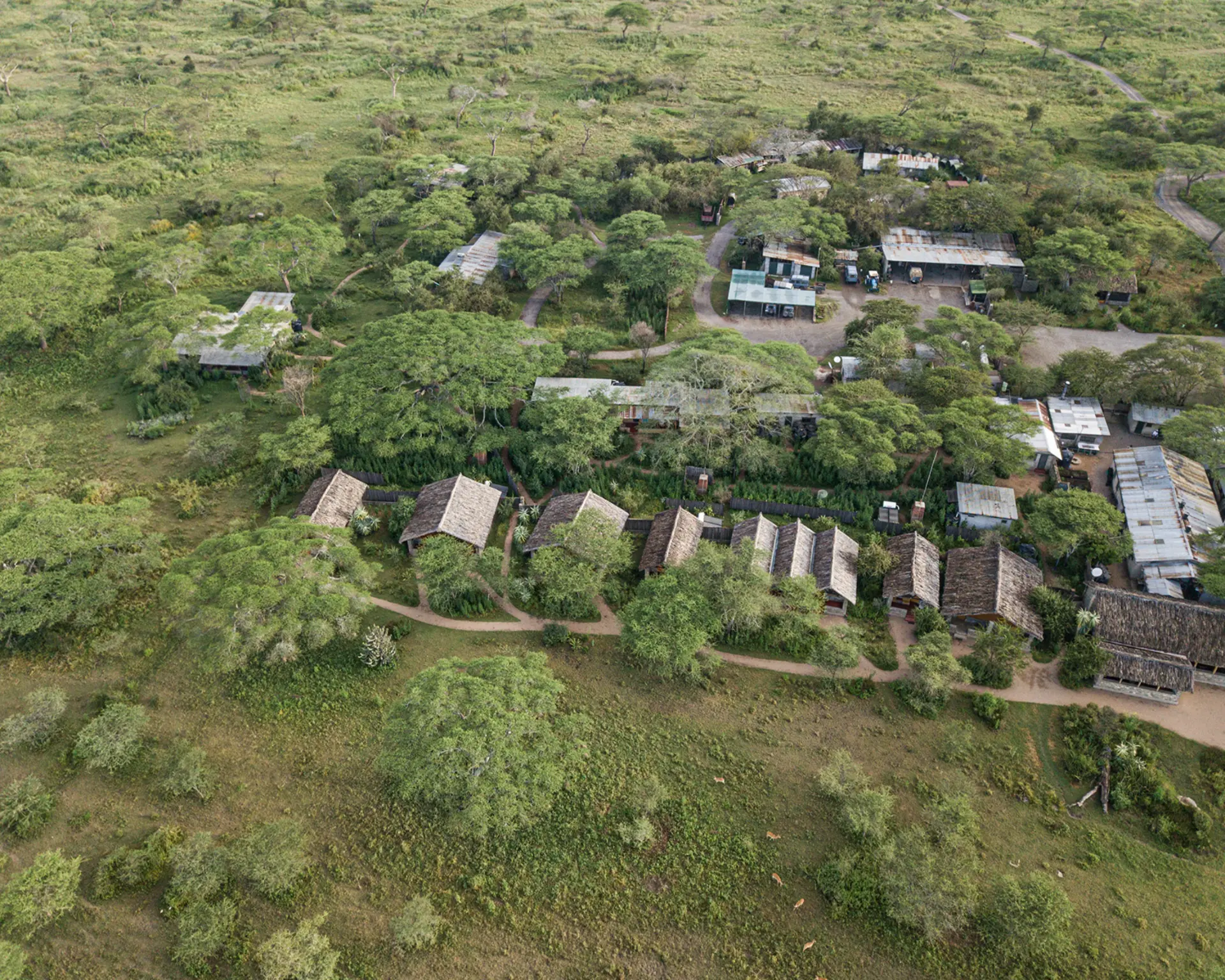
- Classic tented camp: canvas, en-suite bathrooms, a small number of tents and dinner under lantern light.
- Lodge: solid walls, pools and air conditioning — often the easier choice for families and warm months.
- Mobile or seasonal camp: moves with the wildlife, minimal footprint, closest to traditional safari travel.
- Combination journeys: a private reserve plus a city, coast or river section for contrast.
Confirm passports, entry and health needs
Start these early. Nothing here is difficult, but several items have lead times you cannot compress once your dates are fixed.
- Check passport validity and blank pages well before you apply for anything else.
- Entry requirements differ by nationality, routing and point of entry — verify them on official government sites.
- Book a travel-health appointment several weeks out to discuss vaccinations and malaria prevention.
- Arrange travel insurance at the time of deposit, including medical and evacuation cover.
Requirements change. Always verify current entry, health and fee information with official government and travel-health sources before you book or travel.
Request a customized itinerary
Once the shape is clear, a planner turns it into a route: camps, sequence, transfers and pacing, written specifically for your travellers.
- Share dates or flexibility, party composition, interests and accommodation level.
- Say what you would trade away — that tells a planner more than a wish list does.
- Flag mobility, dietary, medical and family considerations at this stage, not later.
- Expect a proposal you can react to rather than a fixed package to accept or decline.
Review and approve the plan
Good planning is iterative. Most itineraries change once or twice before they are right, and that is the point of a customized trip.
- Read the daily pacing carefully — drive times and internal flights matter more than lodge photographs.
- Ask what a day actually looks like in each camp, including activity rules and vehicle sharing.
- Check what is included, what is not, and where the flexible days sit.
- Confirm the plan in writing before anything is deposited.
Booking, payment and insurance
Camps are usually held on deposit with a balance due before travel. Terms differ by property and season and are set out in your proposal.
- Review deposit, balance and change terms before confirming.
- Arrange travel insurance at deposit rather than at final payment.
- Keep a copy of every confirmation, policy number and emergency contact.
- Book international flights once the ground arrangements are confirmed.
Packing and pre-departure
Pack light, pack neutral, and confirm luggage limits early — light-aircraft transfers are strict about weight and bag shape.
- Neutral, breathable layers, with a warm top for early mornings on an open vehicle.
- Soft duffel where light aircraft are involved; a hard case may simply not be accepted.
- Binoculars per traveller, sun protection, insect repellent and any medication in original packaging.
- Carry printed copies of key documents — connectivity in camp is often deliberately limited.

Travel and in-destination support
On the ground, the guide and the ground team carry the trip. Brief them on day one and the whole week improves.
- Tell your guide what matters most to you on the first drive — priorities, pace, photography needs.
- Ask questions about the small things; strong guides are at their best when they are asked.
- Keep your planner's contact details to hand for anything the camp cannot resolve.
- Build in slower days; a safari is not improved by filling every hour.
Coming home, and what comes next
The last part of the journey is often the most overlooked: how you land, what you keep, and where you go next.
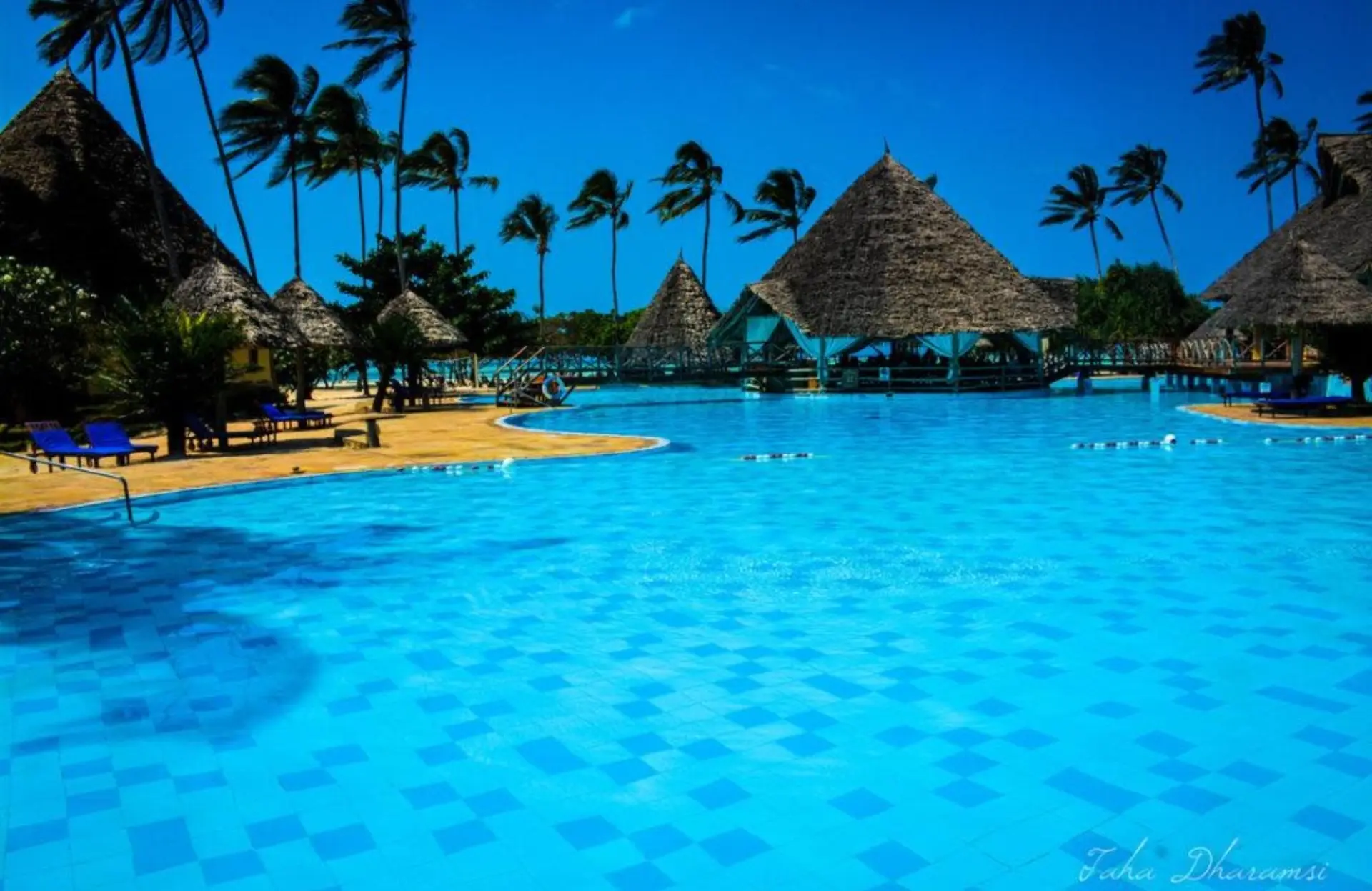
- Plan a gentle final section — a coastal or city night before the long flight makes a real difference.
- Share feedback honestly; it shapes how your next trip is planned.
- Keep notes and images organised while the detail is fresh.
- If a friend asks, a referral to your planner is the most useful thing you can give them.
After you return
After your safari: share your experience
A short resource for the weeks after you land — leaving an honest review, sharing your story and photos, and how the separate client referral program works.
Open the post-safari resourcePlanning tools
How to plan with Berngo
Six ways to move a trip forward, each useful at a different stage.
ASK AI Safari Planner
Early exploration when you are still shaping ideas — destinations, rough length, and the kind of trip that might suit you. It does not confirm availability, pricing, entry requirements or health advice.
Explore with ASK AI →Customized Safari Request
The main route to a human-reviewed proposal. Share your dates, travellers and interests and a Berngo planner builds a route around them.
Create Your Safari →Digital Itineraries
A clear way to review the structure of a proposed trip — route, sequence and daily shape — before anything is confirmed.
Browse trips →Travel Booking Essentials
Practical pre- and post-booking needs in one place, from travel arrangements to the details that surround the safari itself.
Open booking essentials →Free Planning Consultation
A conversation with a planner, useful when you want to talk through options rather than fill in a form.
Book a consultation →WhatsApp
Quick questions, time-zone friendly, and useful while you are already travelling.
Message on WhatsApp →
Sample journeys
Sample Berngo Safaris itineraries
Privacy-safe example routes for Tanzania, Kenya, South Africa and Egypt, each shown day by day. Every one is customized after consultation and subject to availability.
First-safari questions
- How long should a first safari be?
- Most first-time travellers are happiest with seven to ten nights on the ground. Under five nights and jet lag takes a meaningful share of the trip; beyond two weeks, many people want a coastal or city section to change the pace.
- How far ahead should I plan?
- Small camps in popular months are often held nine to twelve months ahead. Shoulder-season travel can come together far more quickly. The honest answer depends on your dates, party size and the camps you like.
- What does a safari actually cost?
- Safari rates are usually quoted per person per night and include meals, activities and often park fees. Ranges vary widely by country, season and camp, and international flights sit on top. We quote your specific route rather than publishing fixed prices.
- Is travelling with children realistic?
- Often yes, with planning. Age minimums, driving distances, family units and health guidance all shape the route. Tell us your children's ages early and the itinerary will be built around them.
- Do I need vaccinations or malaria tablets?
- That is a conversation for a travel-health professional, because it depends on your route, dates and medical history. We will tell you which regions to ask about; a clinician decides what you need.
- Do I need a professional camera?
- No. A good pair of binoculars per traveller improves the experience more than an expensive lens. If you do bring a camera, a long zoom and plenty of storage matter more than the body.
- What if my plans change?
- Deposit, balance and change terms differ by camp and season, and they are set out clearly in your proposal before anything is confirmed. Travel insurance with medical and cancellation cover is strongly worth arranging at deposit.
Verify
Official sources
Requirements change. Always verify current entry, health and fee information with official government and travel-health sources before you book or travel.
- Kenya electronic Travel Authorisation (eTA)
- Kenya Wildlife Service
- Tanzania immigration e-visa portal
- Tanzania National Parks Authority (TANAPA)
- Ngorongoro Conservation Area Authority
- South African Department of Home Affairs
- South African National Parks (SANParks)
- Egypt e-visa portal
- WHO International Travel and Health
- US CDC Travelers' Health
- UK FCDO travel advice by country
Planning worksheet
Draft your safari brief
Use this worksheet to gather your thinking before you speak with a planner. Nothing here is sent or stored — when you are ready, the button below opens Berngo's official secure form, where you complete and submit your request.