Travel styles this destination suits
- Classic cultural journey combining Cairo with a Nile cruise or dahabiya
- Slow, privately guided travel with fewer sites per day and longer at each
- Family travel with early starts, shaded downtime and shorter museum sessions
- Red Sea or desert extensions added after the historical route
Signature regions and experiences
- Cairo and Giza
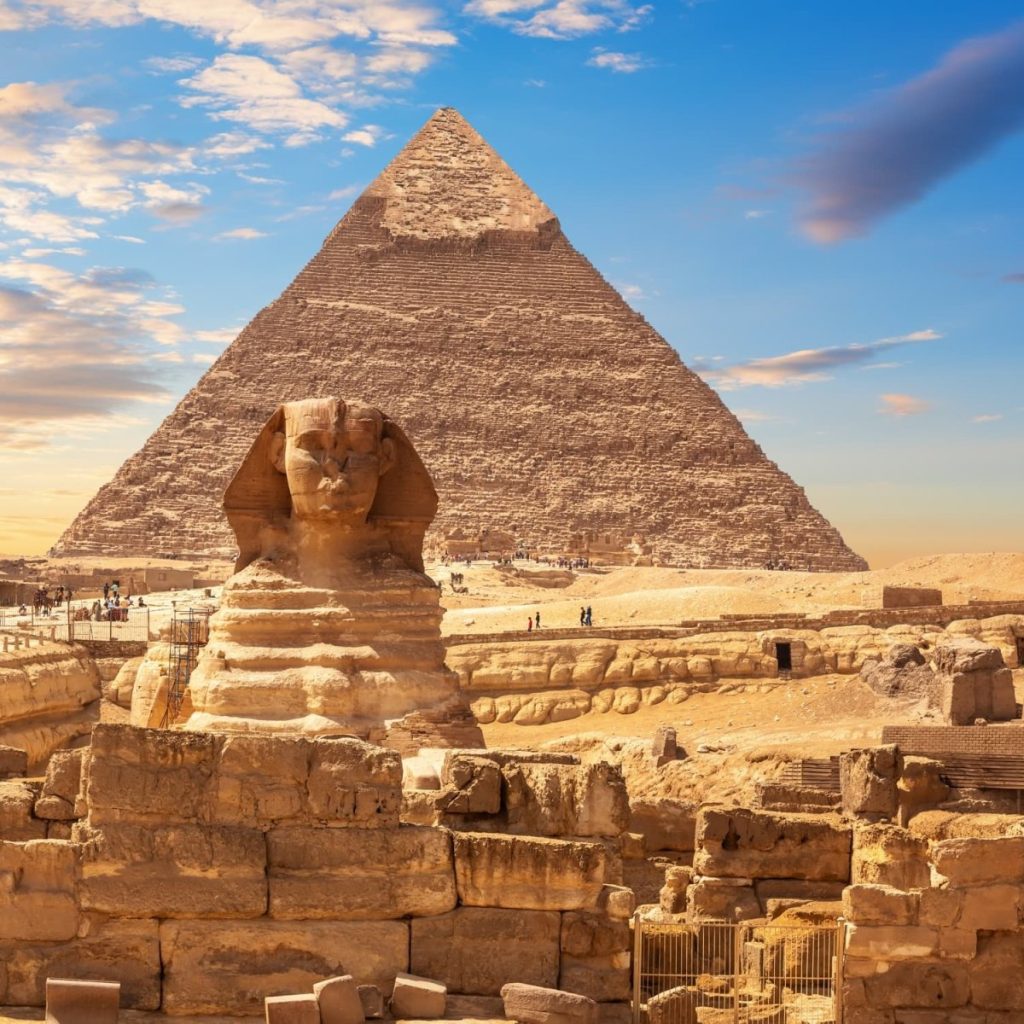
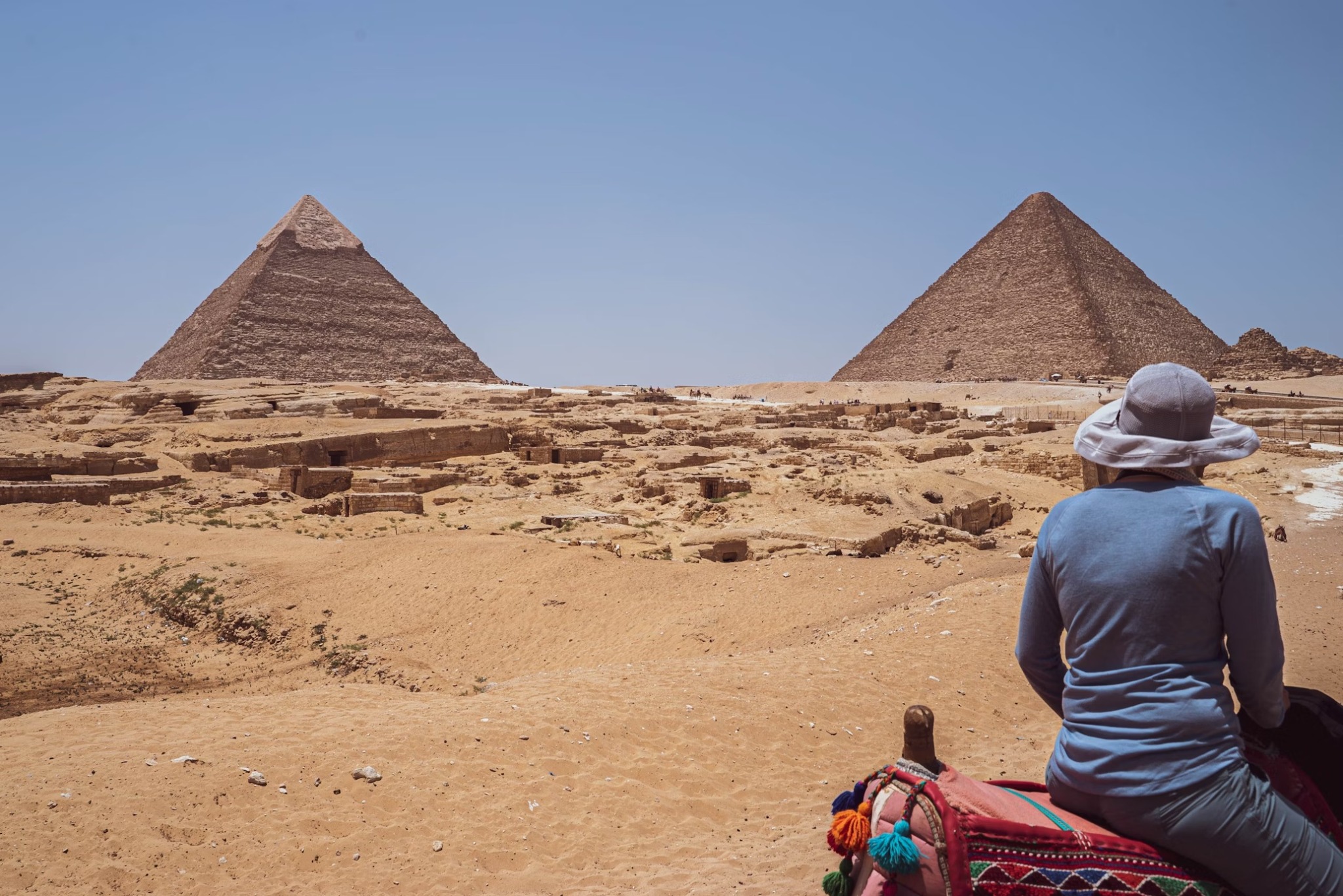
- The Giza plateau, Islamic and Coptic Cairo, and the national museum collections.
- Luxor
- Karnak, the west-bank tombs and temples, usually across at least two unhurried days.
- Aswan
- Nubian culture, Philae, and a gentler river pace than further north.
- The Nile between Luxor and Aswan
- Cruise ships and smaller sailing vessels, with temple stops along the route.
- Abu Simbel
- A long day or short flight south, planned around light and heat.
- Red Sea and Western Desert
- Optional extensions for diving or desert landscapes after the historical section.
Thinking about season
- October to April is generally the more comfortable temperature window for extended sightseeing.
- Summer months are considerably hotter, especially in Upper Egypt, which changes how a day is structured.
- Site opening hours, restorations and river conditions vary — a good itinerary keeps slack in it.
- Local and religious holidays affect crowds and access; your planner will flag these for your dates.
Entry documents
Many visitors require a visa or e-visa, with passport validity and entry conditions varying by nationality and point of entry. Confirm current rules for your passport rather than relying on general summaries.
Requirements change. Always verify current entry, health and fee information with official government and travel-health sources before you book or travel.
Health preparation
Ask a travel-health professional about routine vaccinations, food and water precautions and heat management for your dates. Personal medical advice should always come from a qualified clinician.
Berngo Safaris provides general planning context only and does not give medical advice.
Official sources for Egypt
Each link is owned by the authority named beside it and opens in a new tab.
- Government of Egypt — official eVisa portalVisa and entry information (opens in a new tab)
- U.S. Centers for Disease Control and PreventionCDC Traveler View — Egypt (opens in a new tab)
- U.S. Department of StateCountry information — Egypt (opens in a new tab)
Last link review: August 7, 2026. Requirements depend on nationality, routing and current policy. Verify directly with the issuing authority before booking or travel. Berngo Safaris provides planning links, not legal, immigration or medical advice.
Avoid unofficial visa agents. Beware of unofficial visa agents and copycat visa websites. Several look almost identical to government portals and charge inflated fees. Apply only through the official government domains linked here, and never share passport or payment details with a site you reached through an advertisement.
See all official travel resourcesClimate and packing
- Dry heat dominates; shade, hydration and pacing matter more than most travellers expect.
- Desert evenings and river mornings can be surprisingly cool in winter.
- Dust and strong light affect both comfort and camera equipment.
What to pack for
- Lightweight, breathable clothing that covers shoulders and knees for religious sites
- A brimmed hat, high-factor sun protection, sunglasses and a refillable water bottle
- Comfortable closed walking shoes for uneven temple and tomb surfaces
- A scarf or shawl, useful for sun, dust and site etiquette alike
Arrival and getting around
- Cairo International (CAI) is the usual gateway, with short domestic flights to Luxor or Aswan.
- Nile travel is by cruise ship or smaller sailing vessel; the choice changes pace, group size and access.
- City traffic is heavy — itineraries should account for transfer time honestly.
Cultural respect and responsible travel
- Dress modestly at religious sites, and follow local guidance on photography inside tombs and mosques.
- Agree photography arrangements with people before taking portraits.
- Buy from established, verifiable artisans and avoid antiquities entirely.
Egypt in photographs
Photographs provided by Berngo Safaris, captioned with their real locations.
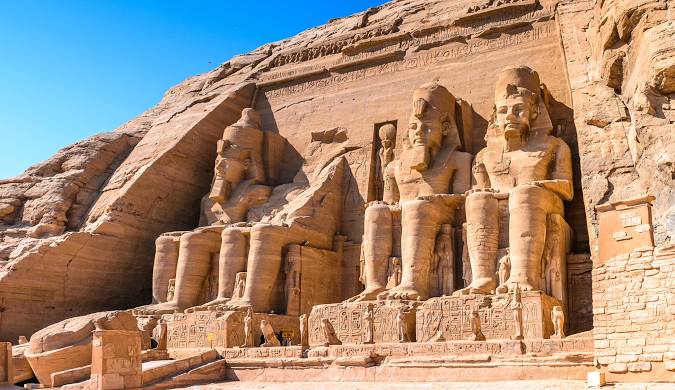
Abu Simbel temple façade, Upper Egypt — a rock-cut temple, not a pyramid. Photograph provided by Berngo Safaris. 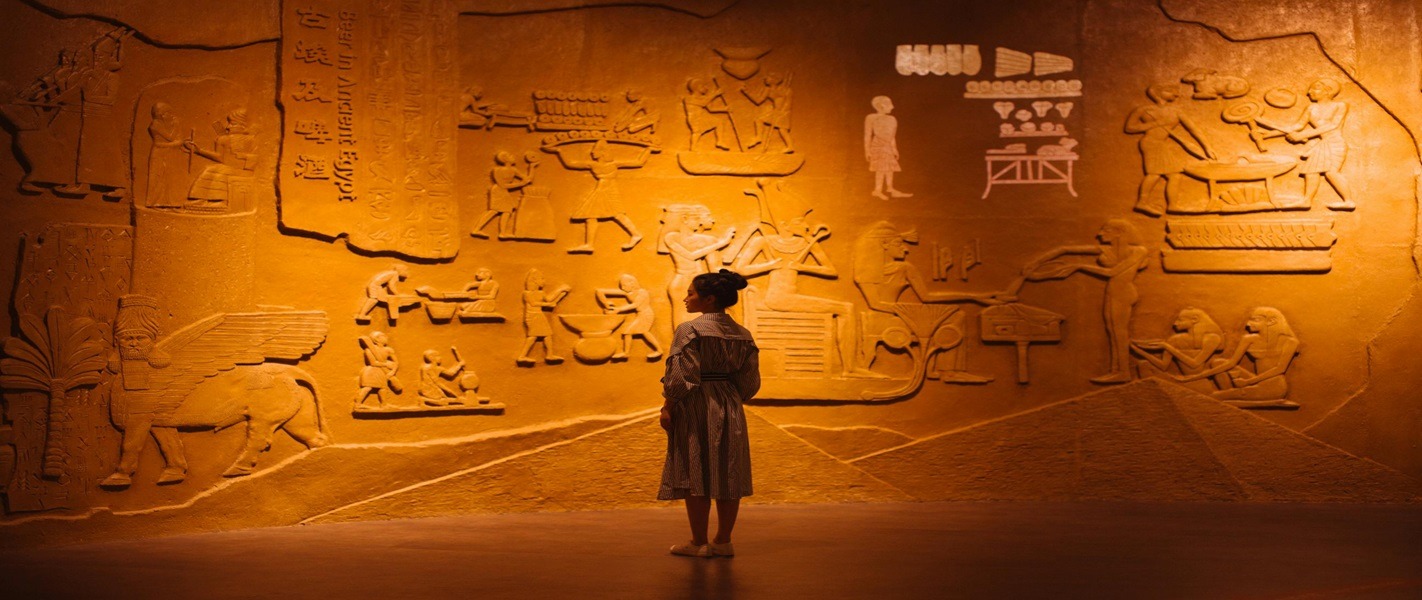
An Egyptian heritage interior — an interpretive exhibit setting, not identified with a specific monument. Photograph provided by Berngo Safaris. 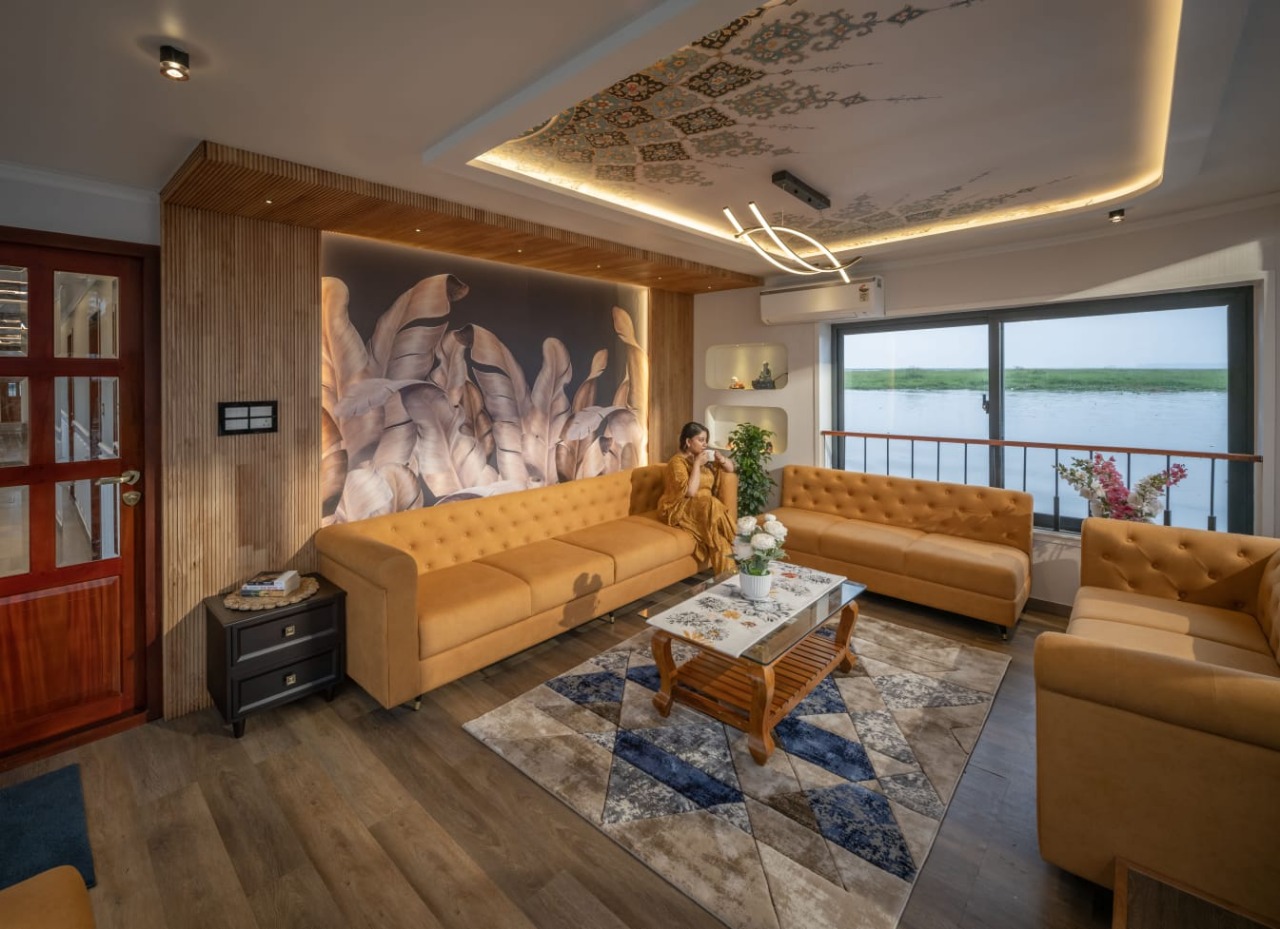
Nile cruise lounge with river view, Egypt. Photograph provided by Berngo Safaris. 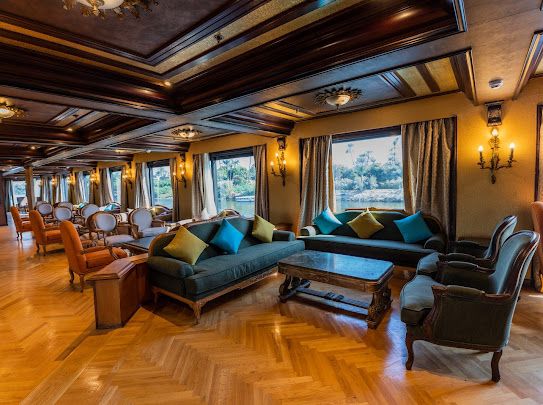
Nile cruise lounge interior, Egypt. Photograph provided by Berngo Safaris.
Optional extension
Optional Red Sea and coastal sailing extension
Some travellers add time on the coast after the historical route — snorkelling or diving on the Red Sea reefs, or a day under sail on a traditional-style vessel. It is an extension, not part of the core Cairo–Luxor–Aswan journey, and it is planned only if you want it.
Marine conditions, visibility and operator availability vary by season and site. Diving and snorkelling should be arranged with certified operators, and reef contact avoided entirely.
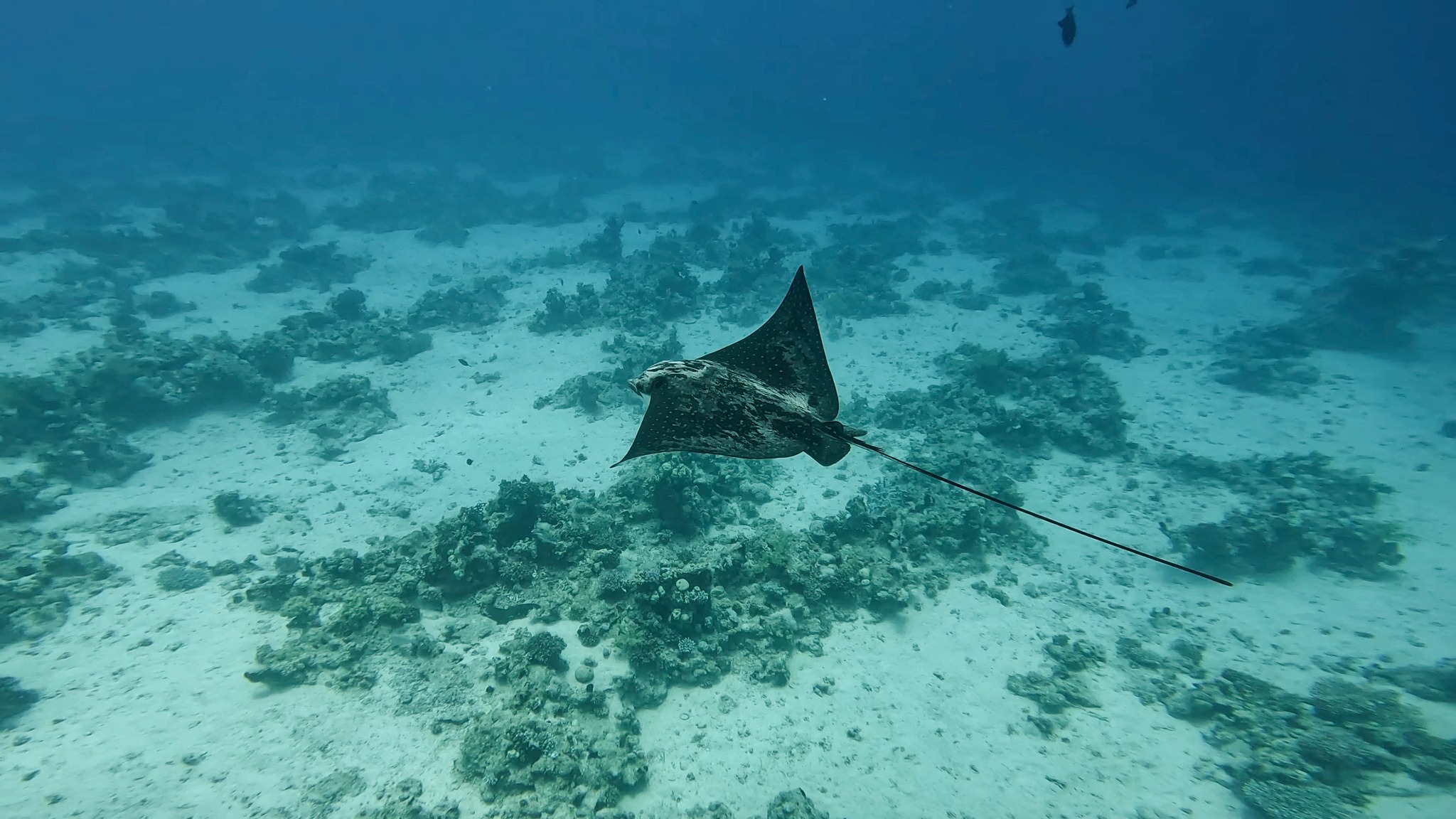
Spotted eagle ray over the reef, Red Sea, Egypt. Photograph provided by Berngo Safaris. 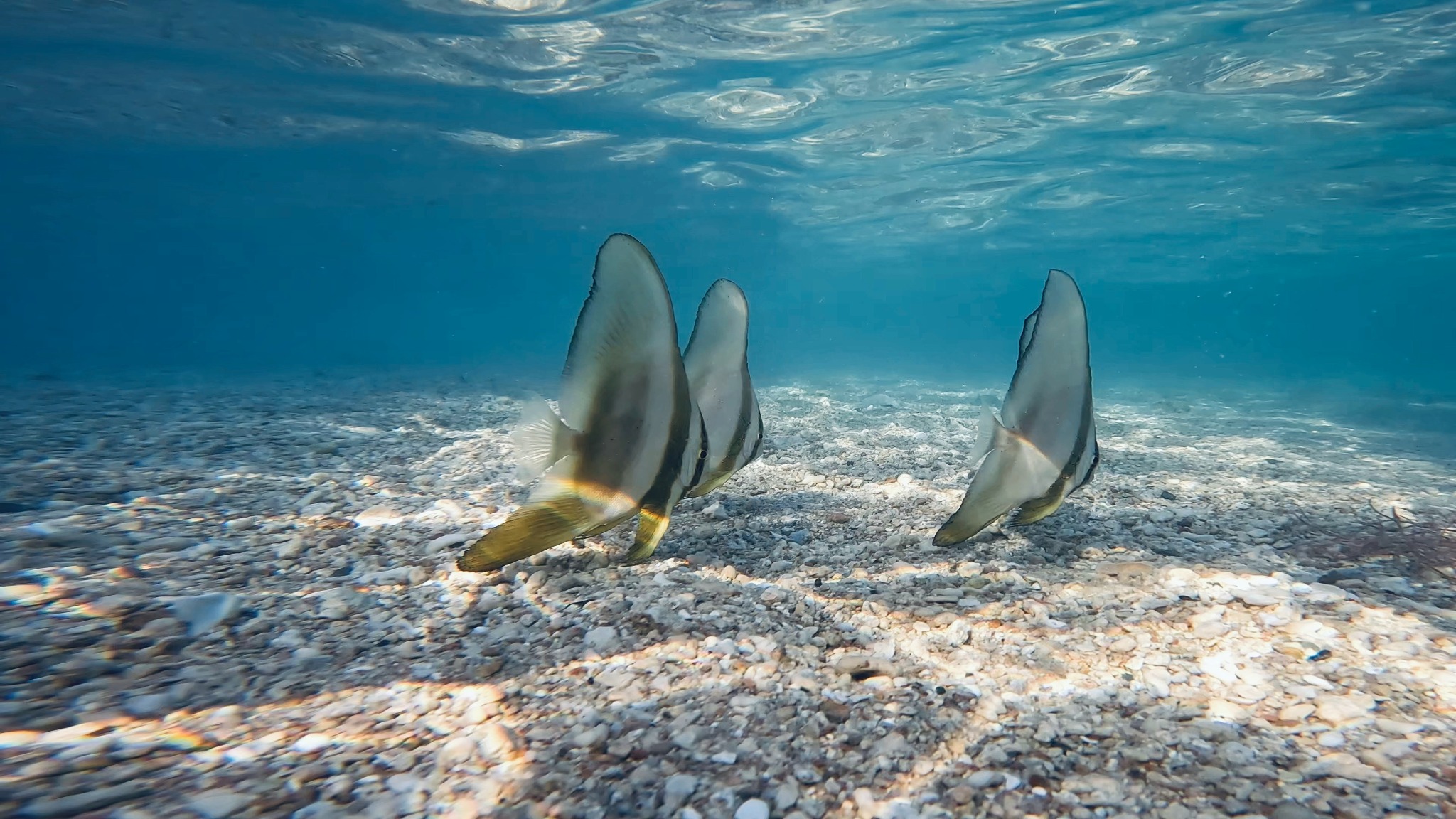
Reef fish in the shallows, Red Sea, Egypt. Photograph provided by Berngo Safaris. 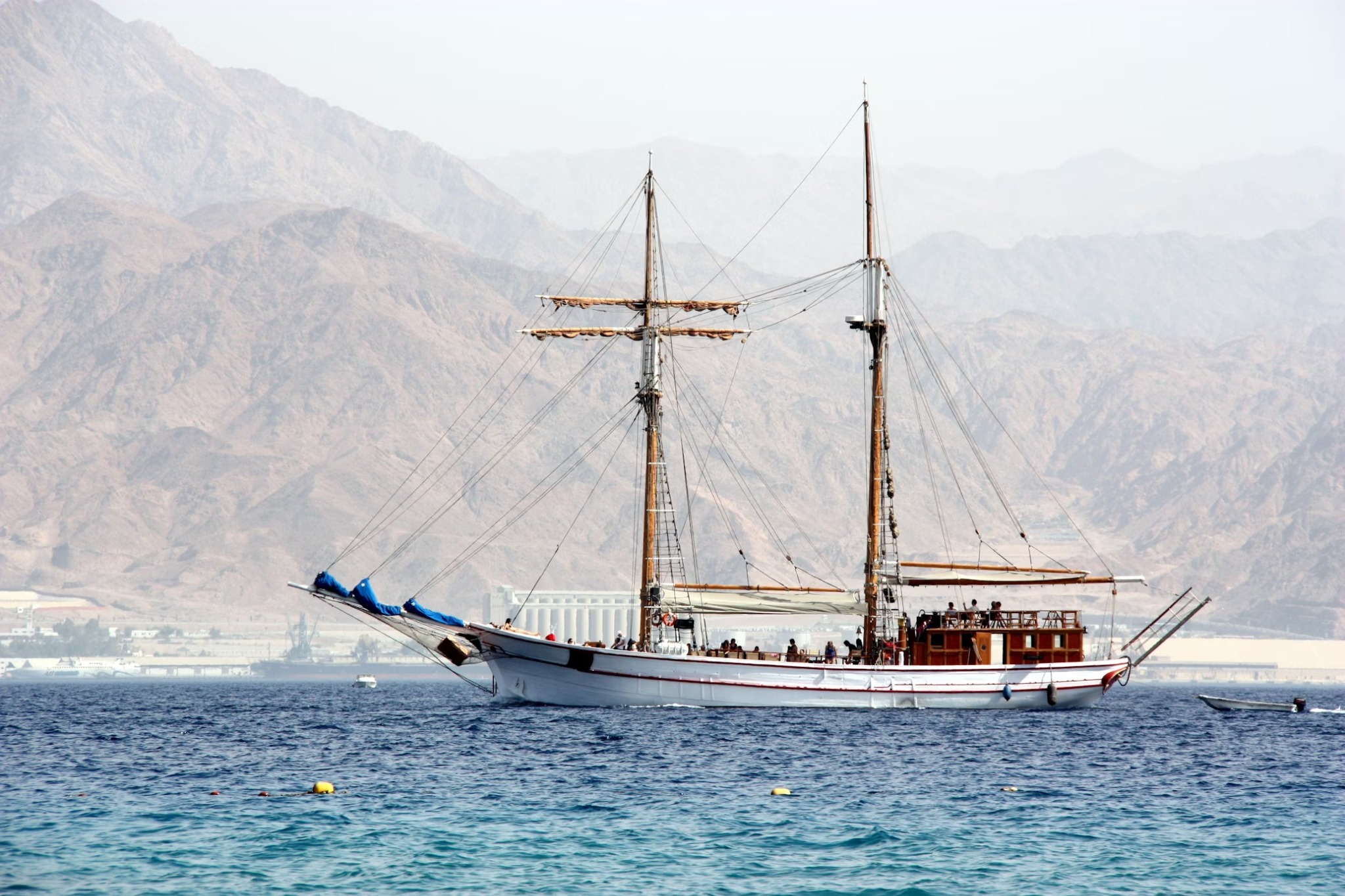
A traditional-style sailing vessel on the coast, Egypt — relevant to an optional coastal sailing extension, not a Nile cruise. Photograph provided by Berngo Safaris.
Watch: Egypt in a short reel
A short Egypt reel shared by Berngo Safaris. Optional viewing — everything on this page reads perfectly well without it.
Family, accessibility and mobility questions to raise
Bring these to your planning conversation — they change the itinerary more than most travellers expect.
- Which sites involve steep steps, uneven ground or confined tomb spaces?
- Would fewer sites per day and longer rest periods suit your group better?
- Are cabin locations, lift access or ground-floor rooms needed on the river vessel?
- What heat, dietary or medical considerations should be planned around?
Egypt planning questions
- Cruise ship or smaller sailing vessel on the Nile?
- Larger vessels offer more facilities and a steadier schedule; smaller vessels feel quieter and reach different moorings. Both are legitimate — it changes pace and group size.
- How much heat should I plan for?
- Upper Egypt is considerably hotter in summer. Itineraries there are usually built around early starts and afternoon rest.
- Is Egypt suitable for families?
- It can be, with shorter site visits, shaded downtime and a slower daily rhythm planned from the start.
Next step
Plan your Egypt journey
Share your dates, travellers and interests, and a Berngo planner will build a customized route around them.